
-
Community Violence Intervention
-
Programs for Returning Citizens
What is Community Violence Intervention (CVI)?
Community violence intervention (CVI) is a phrase that describes a range of community outreach programs focused on intervening with people who are vulnerable to shooting or getting shot to prevent violence. CVI programs primarily focus on gun violence in communities with concentrated cycles of violence.
Violence Interrupters or Street Outreach programs hire and train workers who actively work to mediate conflicts and prevent retaliatory violence between those at risk of committing or becoming the victims of violence. These workers are often more times than not directly linked to the communities they serve.
Hospital-Based Violence Intervention programs (HVIPs) are typically located in trauma centers and emergency departments. They engage patients while in the hospital to reduce the chance of retaliation, violent injury recurrence, and individuals who do not typically receive services.
Examples of CVI programs
- Community-Based Public Safety Collective, National
- ADVANCE PEACE Richmond, California
- ALLIANCE FOR CONCERNED MEN, Washington, D.C.
- ROCA, Baltimore, Maryland
- NEWARK COMMUNITY STREET TEAM, Newark, New Jersey
- BATON ROUGE COMMUNITY STREET TEAM, Baton Rouge, Louisiana
- DETROIT CEASEFIRE, Detroit, Michigan
- KING COUNTY HOSPITAL-BASED VIOLENCE INTERVENTION, King County, Washington
- HEALING HURT PEOPLE, Philadelphia, Pennsylvania
- INJURY AND VIOLENCE PREVENTION PROGRAM AT VCU MEDICAL CENTER-FORMERLY BRIDGING THE GAP, Richmond, Virginia
Research on CVI
A multi-city study says a 30 to 60 percent reduction in gun homicides (Healing Communities in crisis, 2016). Read HERE.
Cities such as Baltimore, New York, Philadelphia, and Chicago see a 30 percent reduction in shootings and killings (The Evidence of Effectiveness, 2021). Read HERE.
CVI strategies need a grasp of successful elements and ways to mitigate challenges to reduce the violence they desire (Implementing Outreach-Based Community Violence Intervention Programs,2022). Read HERE.
Oakland, California, has cut its annual shootings and homicides nearly in half since 2012 ( A Case in Hope, 2019). Read HERE.
South Baltimore in Cherry Hill saw a 56% reduction in homicides and a 34% reduction in nonfatal shootings ( Cure Violence: A Public Health Model to Reduce Gun Violence, 2015). Read HERE.
Media on CVI
Bringing a Folding Chair: Planning for Community Violence Intervention and Prevention
Office of Justice Program’s (OJP) Community-Based Violence Intervention and Prevention Initiative (CVIPI),
In this webinar, you will hear from a diverse group of multi-disciplinary leaders in the CVI space about the importance of cross-sector collaborations between trusted partners. These partnerships play an essential role in planning for and building out complementary intervention and prevention efforts that focuses on high-risk individuals and places and the root causes of violence, such as inadequate housing, employment, education, mental and physical health care, and other factors that influence the quality of life. The webinar will also introduce the BJA CVI Checklist, and tools communities can use to plan and implement CVI strategies. LISTEN HERE
To reduce shootings, hospitals vow to treat the wounds that doctors can’t fix. READ MORE
Chicago sees a reduction in murders as group works to interrupt cycles of violence. READ MORE
Seven Trailblazers Addressing Community Violence Intervention Across the U.S.Read MORE.
N.J. city’s killings are down. Community groups deserve credit, police director says, Read MORE.
Want to fix gun violence? Go Local. Read MORE.
What are programs for Vulnerable Youth?
Programs for vulnerable youth are activities designed to involve people between the ages of 10 and 25, generally oriented towards youth development through recreation, social life, prevention, intervention, or education. These programs promote positive outcomes by providing opportunities, fostering positive relationships, and giving the support needed to develop young people’s assets and prevent risky behaviors.
Examples of programs for Vulnerable Youth Programs
- YouthAlive, Oakland, California
- Big Brother Big Sister
- As I plant this seed, Philadelphia, Pennsylvania
- 100 Black Men
- Community and Youth Outreach, Oakland, California
- Boys and Girls Club
- Detours Mentoring Group Inc, Gardena, California
- UTEC, Lowell, Massachusetts
Research on Vulnerable Youth programs
This research brief highlights out-of-school time initiatives and assesses the conditions and activities that advance a coordinated system of services. It also discusses successful strategies for developing PYD out-of-school time opportunities. Read the full brief here.
Impact of a School-Based Youth Services Program on Students’ Academic and Social-Emotional Well-Being: The Perceptions of Students of a School in Hudson County, New Jersey. Read the full report here.
The present study seeks to investigate the intersections between the issues faced by at-risk students and the benefits of participating in music programs as a therapeutic activity. Read the complete study here.
A Chicago-based study found that in the first year of the One Summer Chicago Plus Program, violent crime arrests dropped by 45 percent (4.5 fewer arrests per 100 participants)( The Effects of Summer Jobs on Youth Violence, 2017). Read MORE.
Media on Vulnerable Youth Programs
Sponsored: Good for our kids and community—Dignity Health lends support to local nonprofits. READ MORE
The White House recognized the head of Youth UpRisingas a champion of change for her Oakland organization’s summer learning programs. READ HERE
Nature and nurture: Prairie restoration program connects Tarrant County youth to the outdoors. READ MORE
What is Mental Health Crisis Response?
Mental health crisis intervention teams are affordable, safe, and effective ways of responding quickly to people experiencing unaddressed health issues without requiring law enforcement response. Crisis teams allow medical and health responders to replace law enforcement in reacting to situations involving individuals with a mental health challenge and refer the individual to adequate treatment.
Examples of Mental Health Crisis Response
The best-known of these programs is Crisis Assistance Helping Out On The Streets (CAHOOTS). CAHOOTS responders routinely provide crisis counseling, suicide prevention and intervention, conflict resolution, and first aid. In addition, they transport individuals to the White Bird Clinic, a treatment facility in Eugene hospitals, or a social service agency that can address a client’s needs. Through this process, CAHOOTS links clients with a mental health challenge to treatment and to organizations that can help people experiencing homelessness find short-term and long-term housing.
Denver’s Support Team Assisted Response (STAR) Program deploys Emergency Response Teams that include Emergency Medical Technicians and Behavioral Health Clinicians to engage individuals experiencing mental health issues, poverty, homelessness, and substance abuse crises.
Research on Mental Health Crisis Response
Historically, as many as 7–10% of US police contacts have involved persons with mental illnesses, with a disproportionate amount of these encounters resulting in arrests, usually for minor offenses ( Crisis Intervention Teams may prevent arrests of people with mental illnesses, 2010). Read MORE.
According to a national survey, in the face of “severe budget constraints,” most voters (52% to 40%) prefer that their governments “hire additional healthcare experts to create or expand a mobile crisis response unit” than “hire additional police officers”( Voters Strongly Support Mobile Crisis Response Despite Opposition Messages, 2022). Read MORE.
Between January 1st, 2022, and July 1st, 2022, The Support Team Assisted Response (STAR) of Denver, Colorado, has responded to 2,837 calls for service (Support Team Assisted Response Mid-year Report, 2022). Read MORE
According to the Substance Abuse and Mental Health Service Administration, 24 staff working as medics, counselors, caseworkers, and administrators would be needed to staff a mobile crisis response unit (Behavioral Health Workforce Report, 2020). Read MORE.
Media on Mental Health Crisis Response
Mental Health Cooperative, Nashville Fire Department to team up on crisis response calls. READ HERE
33rd Ward Alderwoman Rossana Rodriguez Sanchez, of Chicago Illinois, discusses her efforts to get Chicago to implement a true crisis response that doesn’t involve the Chicago Police Department. READ MORE
City of Kingston, NY launches mobile mental health pilot program. READ HERE
What are Programs for Returning Citizens?
Programs for Returning Citizens ( also known as Reentry) provide crisis assistance and long-term support to provide people exiting the justice system with pathways to stability. Some models focus on workforce development and employment placement; others provide transitional housing or wrap-around support.
Example Reentry Programs
- Center for Employment Opportunities, New York, New York
- A New Way of Life, Los Angeles, California
- Riverside House, Miami, Florida
- Starting Over, Inc, Riverside, California
- Friends of Returning Citizens (FORC) – A Fresh Addition, Detroit, Michigan
- Prison Entrepreneurship Program (PEP), Houston and Dallas, Texas
- Community Bridges Fact Team, Arizona
- The Last Mile, San Francisco, California
Research on Reentry Programs
Study showed that in total, 14% of the participants in sports programs showed less reconviction and more positive outcomes (Do Sports Programs Prevent Crime and Reduce Reoffending? A Systematic Review and Meta-Analysis on the Effectiveness of Sports Programs, 2021) . Read HERE.
An evaluation report found that only 2.5 percent of WAGEES program beneficiaries have returned to prison for committing new crimes while in the program in the more than two years since the program began(Investing Justice Resources to Address Community needs, 2018). Read MORE.
Research shows that in 2018, nearly 570 of every 10,000 formerly incarcerated people experienced housing insecurity upon release (Four Ways to Improve Reentry for Formerly Incarcerated People with Behavioral Health Needs, 2022). Read HERE.
Media on Reentry Programs
U.S. Department of Housing and Urban Development (HUD) Secretary Marcia L. Fudge today outlined actions that the Department is taking to improve public safety by addressing the housing needs of returning citizens, including through the recently awarded 70,000 emergency housing vouchers funded by the American Rescue Plan. READ MORE
Non-Profit Thrift Store Provides Resources to Formerly Incarcerated Women. READ MORE
Opinion: I got out of jail in February. Let me tell you about the job training that changed my life. READ MORE
Breaking the Links between Housing Instability and Jail Incarceration through the Just Home Project. Read HERE.
What is Crime Prevention Through Environmental Design?
Crime prevention through environmental design programs are programs in which communities aim to reduce crime and violence by using architecture and urban planning to create or restore public spaces where the community can gather and feel a sense of safety. For example, the restoration of vacant lots and investment in a community’s landscape has been proven to reduce crime and gun violence.
Examples of Environmental Design Programs
- ONE neighborhood builder, Providence, Rhode Island
- IGNITE, Philadelphia, Pennsylvania
Pennsylvania Horticultural Society, Philadelphia,Pennsylvania
- Reimagining Cleveland, Cleveland, Ohio
- Southwest Urban Arts Mural Project, Detroit, Michigan
- Fight the Blight, New Orleans, Louisiana
Research on Environmental Design
Housing repair intervention associated with a 21.9% reduction in total crime ( Association between Structural Housing Repairs for low-income homeowners and neighborhood crime, 2021). Read HERE.
A Philadelphia, Pennsylvania based study found that self-reported poor mental health showed a reduction of 62.8% for those living near greened vacant lots ( Effect of Greening Vacant Land on Mental Health of Community-Dwelling Adults, 2018). Read HERE.
A citywide survey showed that participants living near treated vacant lots reported significantly (-36.8%) reduced perceptions of crime (Citywide cluster randomized trial to restore blighted vacant land and its effects on violence, crime, and fear, 2018). Read HERE.
Media on Environmental Design
Penn Researchers to Study the Impact of Environmental and Economic Interventions on Reducing Health Disparities in Black Philadelphia Neighborhoods with Nearly $10M Grant. Read press release here.
How one community reduced crime using graffiti analysis. READ HERE
Place-based Approaches. Presentations from and discussions among experts on how place-based approaches can reduce/ prevent community violence and crime. Watch HERE.
How Green Space Fosters Safer Communities. READ MORE
Led by David Garcia, Barrio Restoration connects with neighbors and encourages folks to keep their neighborhoods clean and safe through their work.
Here is a short video:
What are Trauma Recovery Centers?
Trauma Recovery Centers (TRCs) are designed to comprehensively address a victim’s recovery challenges to stabilize people in crisis, support healing, and prevent re-victimization. TRCs combine accessible, immediate crisis assistance with free or affordable mental health support for survivors of violence. Dozens of localities are now building TRCs to help underserved survivors of violence.
Example’s of TRC’s
With 39 member programs across the United States, the National Alliance of Trauma Recovery Centers (NATRC) is creating a world where every survivor of violence gets the help they need to heal by increasing access to trauma-informed quality care.
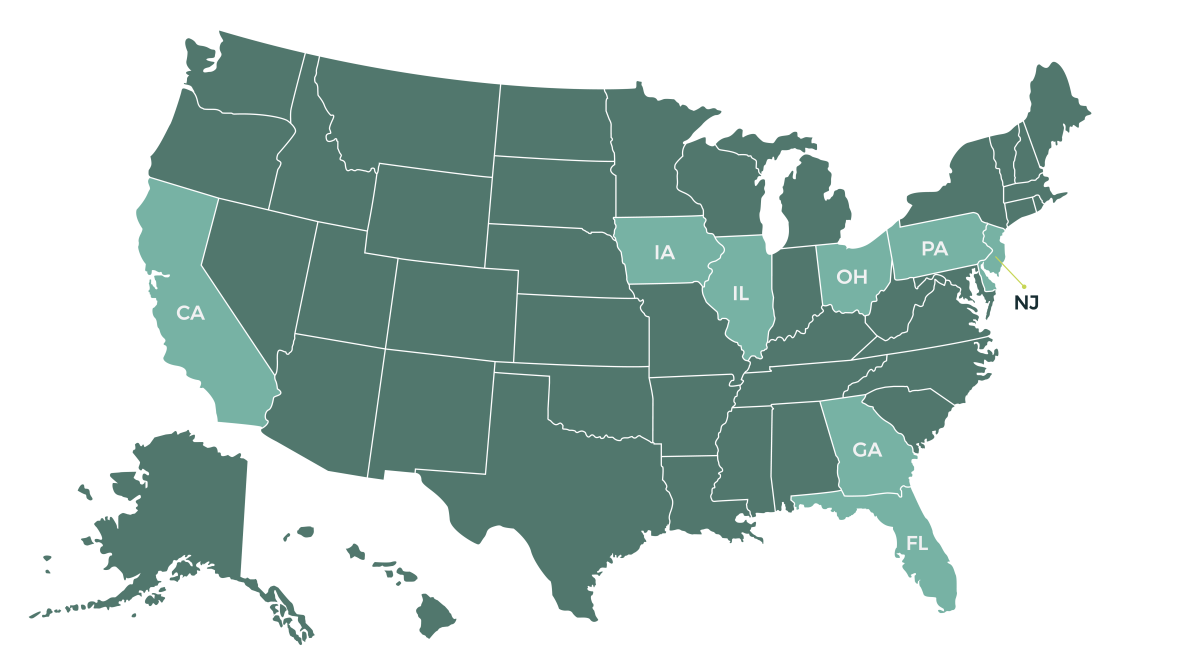
Sites:
The Central Iowa Recovery Center
UC San Francisco Division of Trauma Recovery Services
The Brenda Glass Trauma Center
Research on TRC’s
A multi-city study showed that twice as many clients served by a Trauma Recovery Centers used mental health services (Trauma Recovery Centers, 2020). Read HERE.
Media on TRC’s
A trauma recovery center funded by the California Victim Compensation Board will open three new satellite offices in Central California to support crime victims in rural or underserved communities. READ MORE
San Francisco — The sun was preternaturally bright the day Clare Senchyna’s 26 year-old son Camilo, her only child, was shot and killed in a random act of violence in San Francisco. On that morning two years ago, Ms. Senchyna drew the orange curtains in her bedroom, pulled up her blankets and stayed in bed for much of the next several months. It seemed to her an appropriate response to the end of the world. READ MORE
Ohio will follow California as the second state to offer a network of support services to victims of violent crime, including sexual assault and human trafficking, in a partnership between hospitals and victim services agencies. The announcement of a $2.6 million grant divided among five agencies came Tuesday from Attorney General Mike DeWine at Ohio State University’s Wexner Medical Center, a recipient. “What we’re really about is not just making sure the physical damage that’s been done to… READ MORE
What are Victim Services?
Survivors of violence may also benefit from specialized and free legal help to navigate relevant civil legal processes. Civil legal issues often emerge in the aftermath of victimization, and those issues can prevent stability and keep victims in crisis. Examples of relevant civil legal services include the need to get out of a lease to move into safer housing or assistance with obtaining a civil protection order against an abuser.
Often, individuals experiencing domestic violence or human trafficking experience barriers to accessing crisis assistance such as safe emergency housing. Domestic violence shelters provide safety and connection to other crisis assistance, such as victims’ compensation, counseling, and relocation services.
Example Victim Services programs
Examples of civil legal services for victims of domestic violence:
Emergency domestic violence shelter programs:
Miami-Dade County Advocates for Victims Program, Miami-Dade County, Florida
Sojourner Family Center, Milwaukee, Wisconsin
DC Safe, Washington, D.C.
Laura’s House, Orange County, California.
Research on Victim Services
National survey says that local programs were unable to meet 9,444 requests for services—primarily requests for housing or emergency shelter—because programs lacked sufficient resources ( 16th Annual Domestic Violence Counts Report, 2022). Read HERE.
Report shows that in 2019, only about 5% of violent crime victims had a compensation application approved (Creating a Model Victims’ Compensation Policy, 2022). Read HERE
A National survey shows that 52 percent of those surveyed wanted to relocate as a a result of their victimization, yet 44 percent of this group was unable to do so ( Crime Survivors Speak, 2022). Read HERE.
Media on Victim Services
Rochester, New York Women’s Shelter seeing an increase in the need for services. READ HERE
Ohio Gov.Mike DeWine made clear Tuesday that his priorities during this budget cycle center on child literacy, mental health, and spending to bring in big business. READ MORE